Towns
Vila Nova de Cerveira: what to see in the town of the arts
The 1321 castle, the oldest biennial in Iberia, the Saturday market, the river aquarium-museum and the Minho. What to see in Cerveira, 12 minutes from the house.
2 min read
The Alto Minho's town of the arts, on the river bank: a castle founded by King Dinis, the Saturday market, the oldest biennial in Iberia and the river aquarium-museum. Twelve minutes from the house.
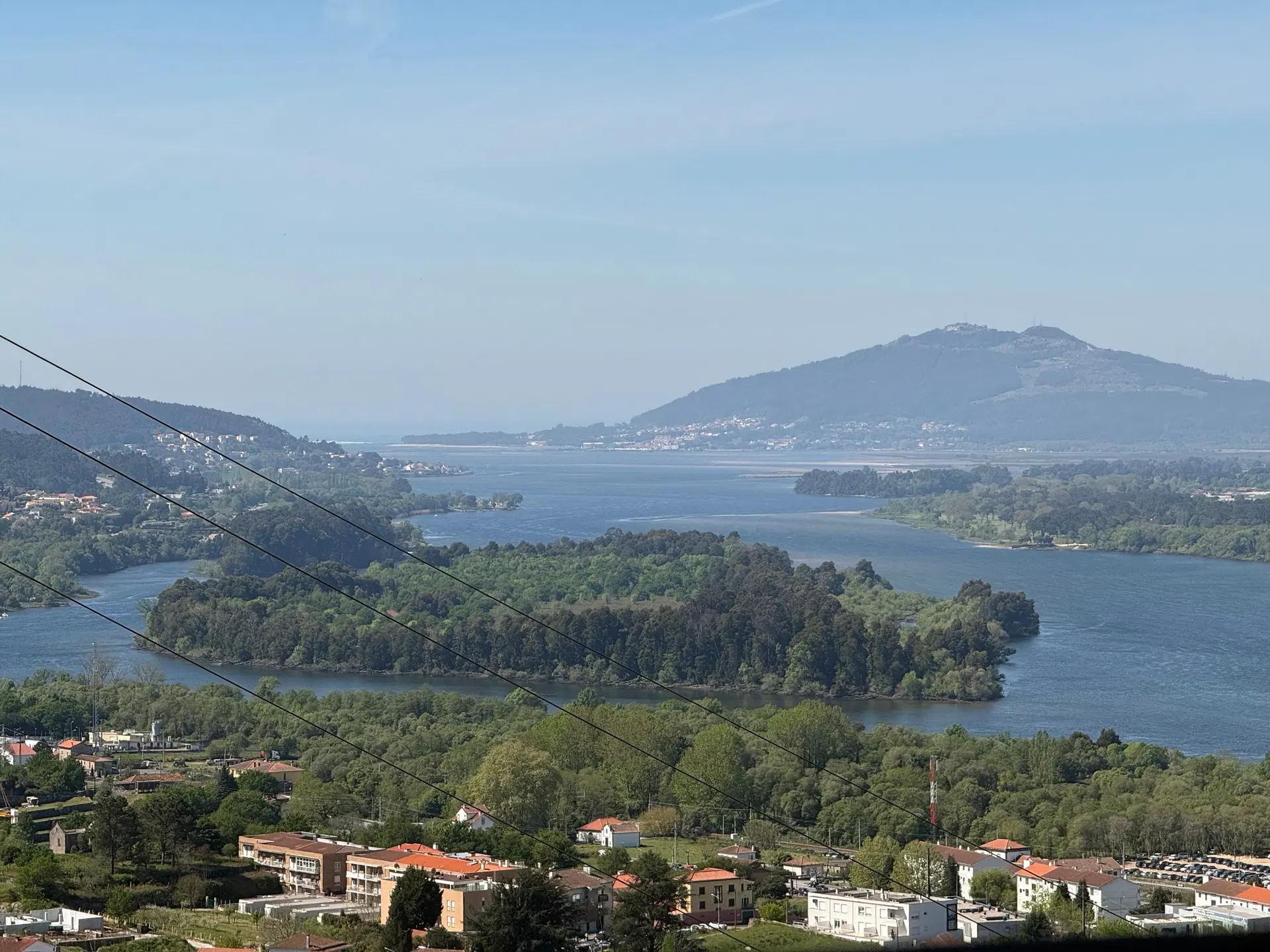
The town. Vila Nova de Cerveira runs along the left bank of the Minho, facing Galicia, twelve minutes by car from the house. It's small, tidy and unlike its neighbours: King Dinis's castle anchors the old centre, the river drifts past beside it and art is everywhere — this is the Alto Minho's town of the arts. Half a day covers the essentials; on a Saturday, or in a biennial year, it's worth a full one.
The castle of King Dinis. It was founded in 1321 to guard the Minho frontier and today guards the old centre: inside the walls and in the streets around there is granite, balconies, café terraces and the calm of a place that lives beside a border which has stopped being one. It's an easy morning on foot — from the castle you drop to the Terreiro, the central square, and from there to the river.
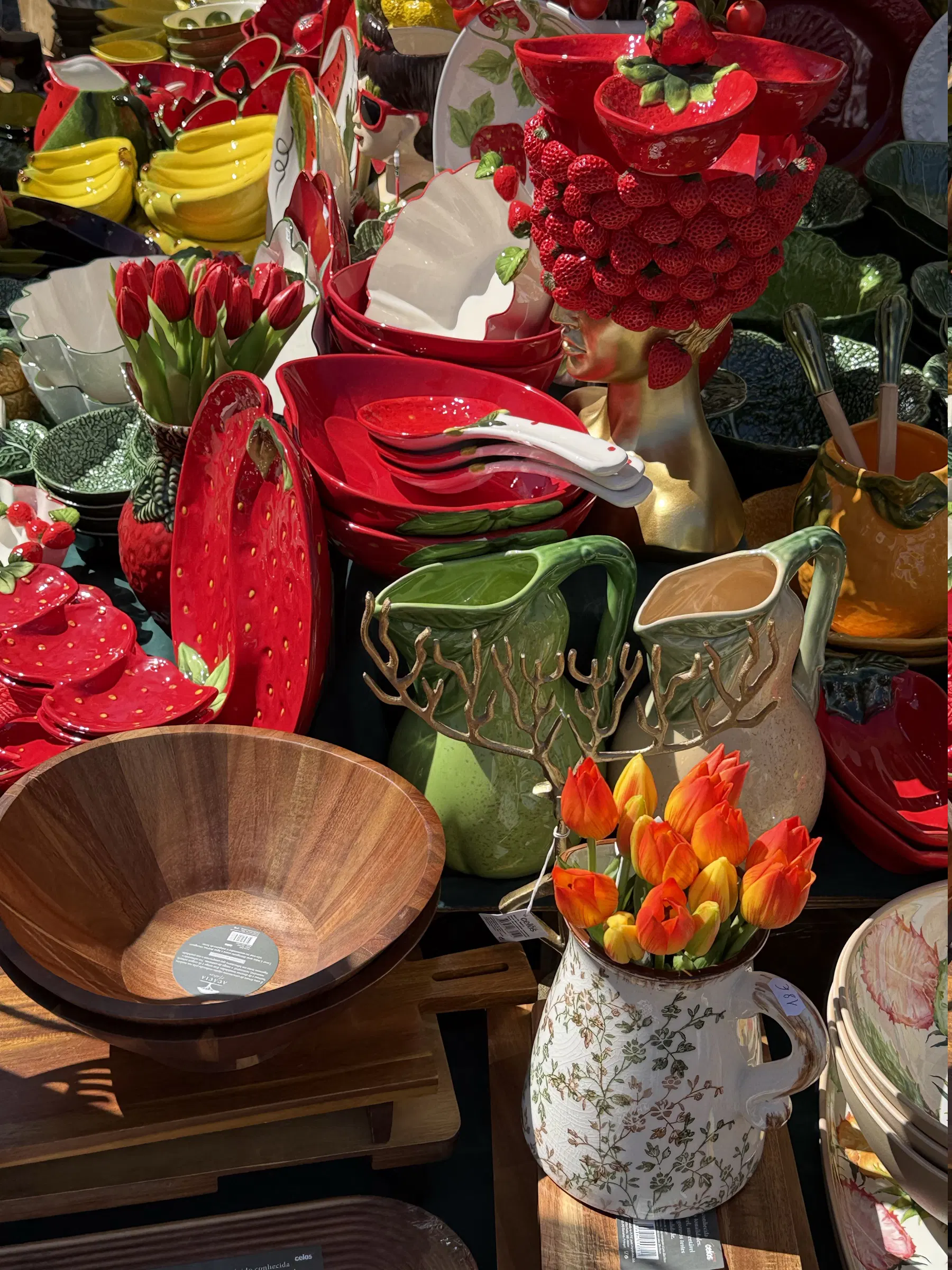
The Saturday market. Every Saturday around 250 stalls fill the 18,000 square metres of the Praça da Galiza and the town changes scale, with Spanish number plates in the streets. On sale: folk pottery and ceramics, basketry, textiles and table linen, shoes, clothes, tools, plants, and fruit and vegetables from local farms. The municipal rules set summer hours from 6.30am to 9pm and winter hours from 7.30am to 8pm, but the real market is a morning affair. In the covered space on the same site there's a crafts market, and on the second Sunday of each month the Praça da Galiza hosts an arts and antiques fair.
The Biennial. The Cerveira International Art Biennial has run since 1978 and is the oldest in the Iberian Peninsula. The 24th edition runs from 18 July to 30 December 2026, under the theme Territories without Borders, with 185 works by artists from 22 countries across four exhibition venues in town. Opening hours and tickets change by edition and by venue — the official site, bienaldecerveira.pt, has the current details. Outside biennial years there are the outdoor sculptures on roundabouts and in gardens, the galleries of the old centre and the programme of the Fórum Cultural.
The Aquamuseu. The Aquamuseu do Rio Minho, opened in July 2005 beside the river, shows around forty species of live fish in tanks arranged as a journey down the river, from the source near Lugo to the mouth at Caminha — trout, grey mullet and lamprey foremost — together with the fishing culture that is still very much alive here. It's a short, reliable visit with children; it opens Tuesday to Sunday, but check the hours on the town council's website before you go.
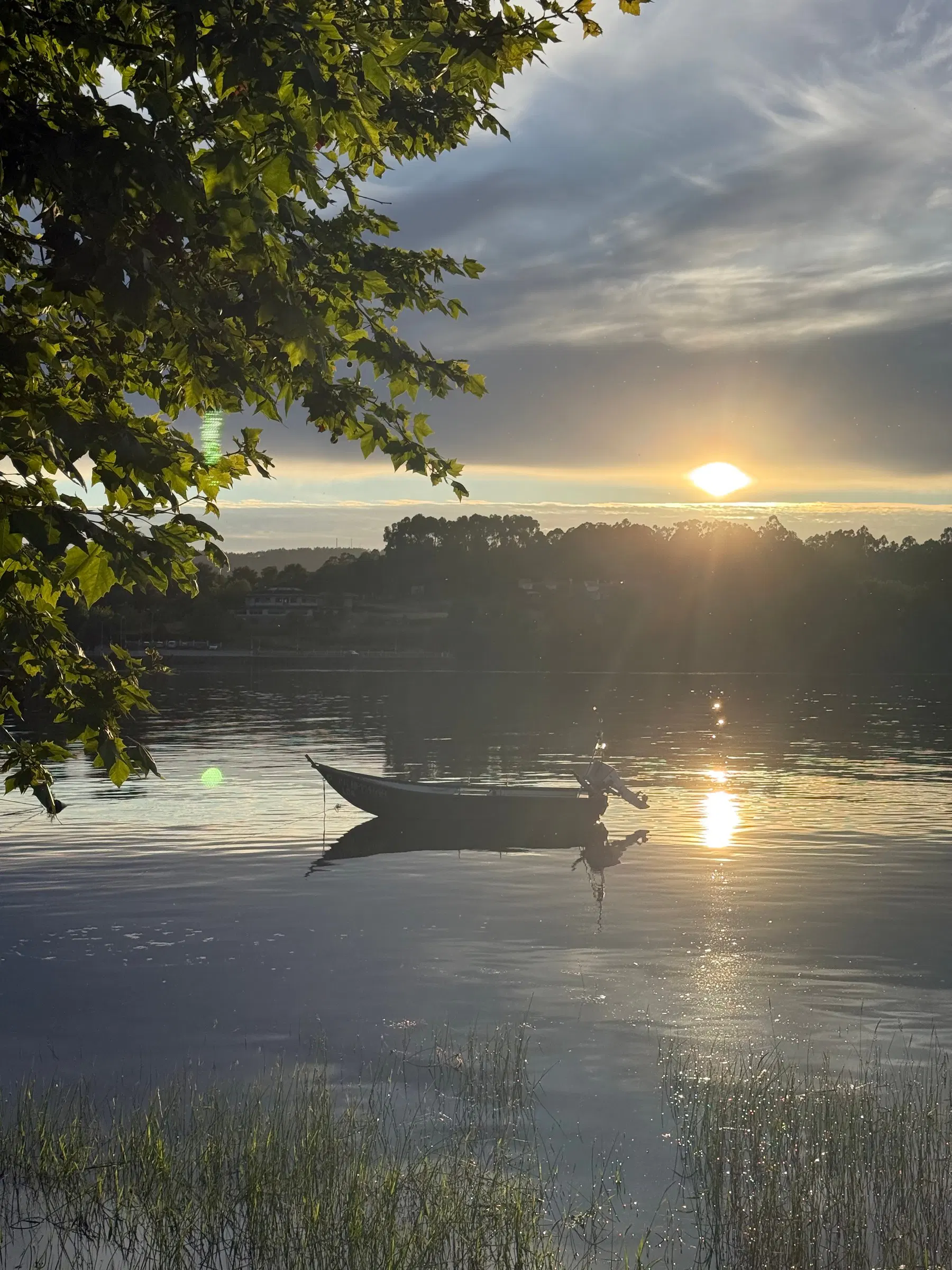
The Castelinho and the river. Next to the Aquamuseu, the Castelinho leisure park follows the river with lawns, walking paths and a play area — the right place for a late afternoon. The Minho river greenway starts here, flat and always by the water, linking Caminha to Valença for walking or cycling. For a swim, Lenta river beach is fourteen minutes from the house, with Galicia on the far bank; the sea at Caminha and Moledo begins at twenty-two.
The Cervo and the viewpoint. Above the town, on the Alto do Crasto, stands O Cervo, the sculpture by José Rodrigues unveiled in 1985: a metal stag around eight metres tall, a tribute to the animal that gives the municipality its name and appears on its coat of arms, on a hillside where deer once grazed. It's a few minutes' drive up, and the viewpoint opens onto the Minho valley and Galicia on the far side — best at the end of the day, when the light drops onto the river.
The Friendship Bridge. Opened in June 2004, the Ponte da Amizade links Vila Nova de Cerveira to Goián, in the Galician municipality of Tomiño, and is fourteen minutes from the house. You cross without any checks and the clock, the language and the menu all change: it's what makes dinner in Spain and bed in Portugal a perfectly normal evening.
Where to eat. In and around town, the addresses we give our guests: Casa do Lau, in Loivo, for traditional Minho cooking; Pizzaria Toni, in Segerem, with a wood-fired oven and a hundred seats; Foral de Dom Dinis, in the old centre, for the special dinner of the stay; Casa das Velhas, Colher de Pau, Restaurante Central, Requinte Português, O Lavrador and, for the children, the Italian La Scarpetta. The river sets the season: lamprey in winter and early spring, shad in spring. To drink, vinho verde — with Alvarinho from Monção and Melgaço at the top. We don't publish opening hours or closing days because they change; ring before you go.
Getting here. From Porto it's about an hour on the A3, and the airport is 55 minutes away. From Vigo, forty minutes; from Valença, eighteen; from Tui, twenty. In August the Vilar de Mouros festival, Portugal's oldest rock festival, fills the neighbouring village in Caminha — 18 to 22 August in 2026 — so book well ahead.
The house. Casa de Santa Eulália is in Gondar, in the municipality of Vila Nova de Cerveira: three bedrooms for up to six guests, a private pool, a courtyard and a wood-burning stove for the cold months. The town is twelve minutes away and Galicia fourteen — close to everything, but quiet.
Towns
The 1321 castle, the oldest biennial in Iberia, the Saturday market, the river aquarium-museum and the Minho. What to see in Cerveira, 12 minutes from the house.
2 min read
Culture
Since 1978, Vila Nova de Cerveira has hosted Iberia's oldest art biennial. The 24th edition runs from 18 July to 30 December 2026.
2 min read
Events
The Biennial until 30 December, Vilar de Mouros on 18–22 August, the Saturday market and the antiques fair. The area's real calendar, verified.
2 min read
Markets
Every Saturday, 250 stalls fill Praça da Galiza — pottery, basketry, textiles, and half of Galicia across the bridge. How to do Vila Nova de Cerveira's market.
2 min read